Most projects go over budget because commercial painting problems are baked in long before the first gallon of paint is opened. In my years running Pivotal Painting, LLC, I’ve seen the same pattern repeat itself. Missed details, rushed decisions, vague scopes, and poor communication quietly inflate costs. Paint prices rarely cause overruns. Planning failures do.
This guide breaks down the most common commercial painting problems that drive costs up, why they happen, and how owners and facility managers in Ridgefield, WA can avoid them.
Key Takeaways
-
The most common commercial painting problems that inflate project costs
-
Why low bids often turn into expensive final invoices
-
How planning mistakes create hidden labor and material expenses
-
What property managers should clarify before signing a contract
-
How professional commercial painting teams prevent overruns
Poor Project Scope Definition Is the #1 Budget Killer
What an Incomplete Painting Scope Looks Like
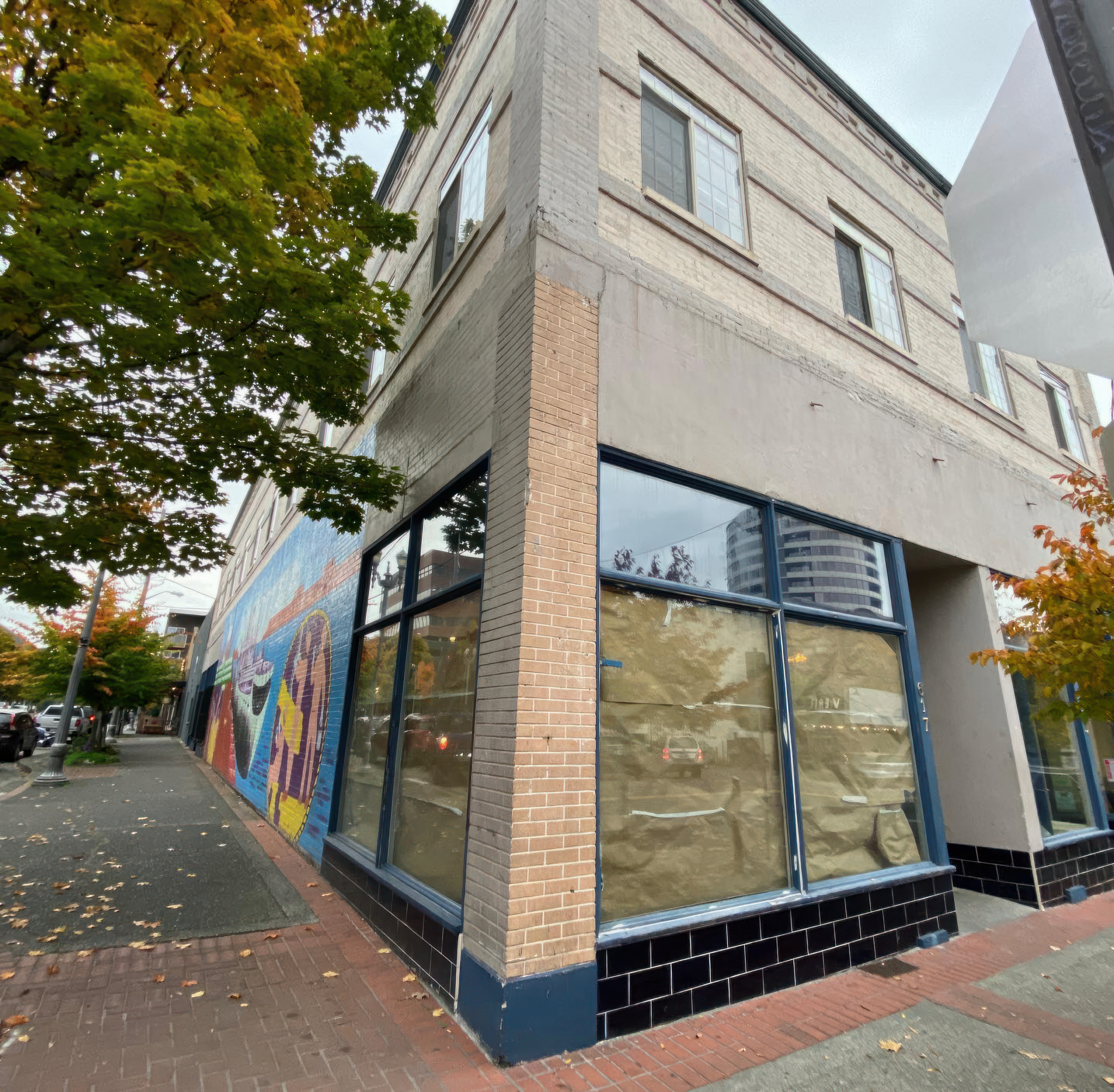
Incomplete scopes are at the core of many commercial painting problems. When details are missing, assumptions fill the gap, and assumptions cost money.
Typical red flags include undefined surface preparation, vague square footage, no clarity on number of coats, and missing details for trim, ceilings, doors, or specialty areas. In commercial painting, those small gaps quickly add up.
How Scope Gaps Lead to Costly Change Orders
When scope is unclear, crews discover missing work mid-project. That leads to added labor, unplanned materials, and disputes over what was included. These commercial painting problems almost always show up as change orders.
How to Lock in an Accurate Scope Before Work Starts
The fix is straightforward. Walk the site with an experienced commercial painting estimator. Tie written scopes to drawings. Use line-item pricing instead of lump sums. This single step eliminates a huge percentage of commercial painting problems.
Inadequate Surface Preparation Drives Up Labor Costs
Why Surface Prep Is the Most Underestimated Cost Factor
Surface prep is where budgets are quietly won or lost. Cleaning, sanding, patching, and repairs take time. Commercial surfaces are rarely paint-ready. In many projects, prep labor exceeds application time, yet it’s often glossed over. That’s one of the most expensive commercial painting problems we see.
Common Surface Prep Issues in Commercial Buildings
Peeling coatings, water damage, rust, cracked drywall, concrete imperfections, oil, and grease are common. Skipping these steps leads directly to poor surface preparations that cost more later.
How Skipping Prep Leads to Rework and Repainting
When prep is rushed, coatings fail early. That leads to callbacks, warranty claims, and paying twice for the same work. These commercial painting problems are entirely preventable with proper prep planning.
Choosing the Lowest Bid Often Creates the Highest Final Cost
Why Low Commercial Painting Bids Are Risky
Low bids are appealing. I understand that. But in commercial painting, unrealistically low numbers usually hide labor shortages, inferior materials, or excluded prep work. Those are classic commercial painting problems waiting to surface.
Common Cost-Cutting Tactics That Cause Overruns
Understaffed crews miss deadlines. Rushed application causes defects. Extras get charged as “unforeseen conditions.” The final invoice often tells a very different story than the original estimate.
How to Evaluate Commercial Painting Estimates Correctly
Compare scope, not just price. Ask how prep is calculated. Verify crew size, supervision, and schedule. This protects owners in Ridgefield, WA from the most damaging commercial painting problems.
Poor Scheduling Causes Expensive Downtime and Delays
Why Scheduling Is Critical in Commercial Painting
Painting rarely happens in a vacuum. Work overlaps with tenants, staff, or customers. Night and weekend work costs more. Delays ripple into other trades. Poor scheduling is one of the most disruptive commercial painting problems.
Common Scheduling Conflicts in Commercial Projects
Inaccurate timelines, poor coordination, and weather delays all add cost. Exterior commercial painting in Ridgefield, WA is especially vulnerable to weather-related scheduling mistakes.
How Delays Translate Into Budget Overruns
Extended equipment rentals, additional labor hours, and operational penalties quickly pile up. These commercial painting problems often cost more than the paint itself.
Occupied Buildings Create Hidden Painting Costs
Challenges of Painting Active Commercial Spaces
Noise, odor, access restrictions, and limited working hours all add complexity. These factors make commercial painting problems more expensive in occupied spaces.
How Poor Planning Increases Costs in Occupied Facilities
Stop-start work cycles, inefficient movement, and extra protection for furniture and equipment increase labor hours. Without planning, costs climb fast.
How Professional Commercial Painters Reduce These Costs
Phased scheduling, off-hour work, and clear communication with facility managers allow commercial painting projects to move efficiently even in active buildings.
Material Selection Mistakes Increase Long-Term Costs
Why Cheap Paint Is Rarely Cost-Effective
Lower-grade coatings have poor coverage, wear faster, and require more frequent repainting. These are long-term commercial painting problems that don’t show up on day one.
Common Commercial Paint Selection Errors
Using residential-grade paint, ignoring moisture or chemical exposure, and choosing colors without maintenance planning are common mistakes.
How the Right Paint System Protects Your Budget
Proper coatings extend life spans, reduce maintenance, and come with better warranties. Smart material choices eliminate recurring commercial painting problems.
Lack of On-Site Supervision Leads to Costly Mistakes
Why Commercial Painting Requires Strong Project Management
Large crews, active buildings, and tight schedules demand oversight. Without it, commercial painting problems multiply.
Problems Caused by Poor Supervision
Missed prep steps, inconsistent finishes, and preventable errors all require rework. Rework is one of the fastest ways to blow a budget.
What Proper Supervision Looks Like
A dedicated project manager, daily inspections, and clear communication channels keep commercial painting on track.
Unplanned Repairs Surface Mid-Project
Common Hidden Conditions in Commercial Buildings
Water intrusion, structural cracks, and mold issues are common in older properties. These often surface after work begins.
Why These Repairs Affect Painting Budgets
Repairs require additional labor, materials, and schedule changes. These commercial painting problems are disruptive if not anticipated.
How Experienced Contractors Anticipate These Issues
Thorough inspections, contingency planning, and transparent pricing protect owners from surprise costs.
Poor Communication Creates Costly Misunderstandings
Communication Breakdowns That Lead to Overruns
Unclear expectations, undocumented changes, and delayed approvals are silent budget killers.
How Miscommunication Impacts Costs
Crews sit idle. Completed areas get repainted. Disputes delay completion. These commercial painting problems frustrate everyone involved.
Best Practices for Clear Project Communication
Written change orders, regular updates, and a single point of contact eliminate confusion.
Failure to Plan for Maintenance Increases Total Project Cost
Why Painting Should Be Viewed as a Long-Term Investment
Paint protects surfaces, not just appearance. Deferred maintenance accelerates deterioration.
Common Maintenance Oversights
No repaint schedule, ignored high-traffic areas, and no touch-up plan all create avoidable commercial painting problems.
How Maintenance Planning Saves Money Over Time
Predictable budgets, longer coating life, and fewer emergency repaints protect long-term value.
How to Avoid Commercial Painting Budget Overruns Altogether
Pre-Project Planning Checklist for Property Owners
Define scope clearly. Inspect thoroughly. Build realistic timelines. This eliminates most commercial painting problems before they start.
What to Look for in a Commercial Painting Contractor
Look for proven experience, transparent estimating, and strong communication. In Ridgefield, WA, that matters more than price alone.
Questions to Ask Before Signing a Painting Contract
What’s included? How are changes handled? Who supervises daily? These questions protect your budget and your building.
Safety and Compliance Matter Too
Beyond cost, compliance failures create financial risk. Reputable commercial painting contractors follow Commercial OSHA Painting standards to avoid fines, shutdowns, and liability.
Budget Overruns Are Preventable With the Right Approach
In my experience at Pivotal Painting, LLC, budget overruns are rarely bad luck. They are the result of avoidable commercial painting problems like vague scopes, rushed prep, weak communication, and choosing price over expertise. When owners work with experienced professionals who plan thoroughly and execute carefully, commercial painting stays predictable, controlled, and cost-effective.
That’s how you protect your building, your budget, and your peace of mind.