Cracks that appear shortly after painting are rarely caused by bad paint. I have seen this firsthand in homes throughout Camas, WA. Walls look freshly painted. Colors are even. Then, months later, fine cracks begin to form. Homeowners blame the product. The truth is almost always the same. The real cause is poor surface preparation.
Paint is a finish, not a fix. When surfaces are not properly cleaned, repaired, dried, sanded, or primed before interior house painting, the coating system cannot bond correctly. That failure shows up as cracking far sooner than it should.
This article explains why poor surface preparation causes early paint cracking, how to recognize it, and how professional preparation prevents repeat failure.
Key Takeaways
• Poor surface preparation is the leading cause of early paint cracking, not paint quality
• Paint cracks form when coatings cannot bond to unstable or contaminated surfaces
• Skipping cleaning, sanding, drying, or priming accelerates paint failure
• Cracks often indicate moisture, movement, or substrate decay beneath the paint
• Proper prep extends paint life by two to three times
• Fixing cracks without correcting prep errors leads to repeat failures
What Is Poor Surface Preparation in Painting?

Multifunctional bedroom and workspace interior with bed and desk
Definition in Practical Terms
Poor surface preparation is not a single skipped step. It is a breakdown of the entire preparation system.
Before any interior house painting project, surfaces must be cleaned, repaired, dried, sanded or deglossed, primed correctly, and tested. Missing even one of these steps compromises the entire paint system.
In many homes across Camas, WA, walls may look clean but still contain invisible grease, chalky residue, or moisture that prevents adhesion. Paint does not bond to appearances. It bonds to stable, clean, and properly conditioned surfaces.
Why Preparation Matters More Than Paint Brand
Paint is a coating, not structural reinforcement.
Even premium products, including specialty coatings and oil-based paints, cannot compensate for poor surface preparation. Adhesion depends on surface chemistry and texture, not marketing claims or price point.
I have seen high-end paint fail faster than entry-level products when prep work is rushed during interior house painting.
How Poor Surface Preparation Causes Paint Cracks
Loss of Adhesion Between Paint and Substrate
Paint films rely on mechanical grip and chemical bonding.
Dirty, glossy, chalky, or dusty surfaces prevent that bond. As the paint cures and normal stress builds, the coating begins to separate. That separation appears as cracking.
This is one of the most common effects of poor surface preparation I encounter in Camas, WA homes.
Trapped Moisture Beneath the Paint Film
Moisture is one of the most destructive forces in paint systems.
When paint is applied over damp surfaces, moisture becomes trapped. As temperatures change, that moisture expands and contracts, pushing outward on the paint film. The result is cracking, blistering, and eventual peeling.
This type of failure is a textbook example of poor surface preparation, especially in bathrooms, basements, and areas near unsealed masonry.
Painting Over Existing Damage
Paint does not stop movement. It highlights it.
Hairline cracks, wood rot, failed caulk, and substrate movement must be repaired before interior house painting. When they are not, the paint simply mirrors the damage underneath, often making it worse.
Common Prep Steps That Are Skipped and Why They Matter
Inadequate Cleaning
Adhesion begins with cleanliness.
Dirt, grease, mildew, chalking, and airborne pollutants prevent paint from bonding. Power washing or wiping alone often leaves embedded contaminants behind. Without proper cleaners, poor surface preparation is unavoidable.
Skipping Proper Dry Time
Dry to the touch is not the same as moisture-free.
Humidity, temperature, and material porosity affect how long surfaces retain moisture. Painting too soon traps water behind the coating, a frequent issue during interior house painting in the Pacific Northwest and homes around Camas, WA.
Poor or Missing Sanding
Smooth surfaces resist paint.
Sanding creates the mechanical bond paint needs to adhere. Deglossing is especially important when painting over older coatings, including improperly prepared oil-based paints.
Skipping sanding is a direct path to poor surface preparation and early cracking.
No Primer or the Wrong Primer
Primer is not optional.
It stabilizes porous surfaces, seals repairs, and creates uniform absorption. Using the wrong primer or skipping it altogether leads to uneven curing, weak adhesion, and cracking caused by poor surface preparation.
Types of Cracks Caused by Poor Surface Preparation
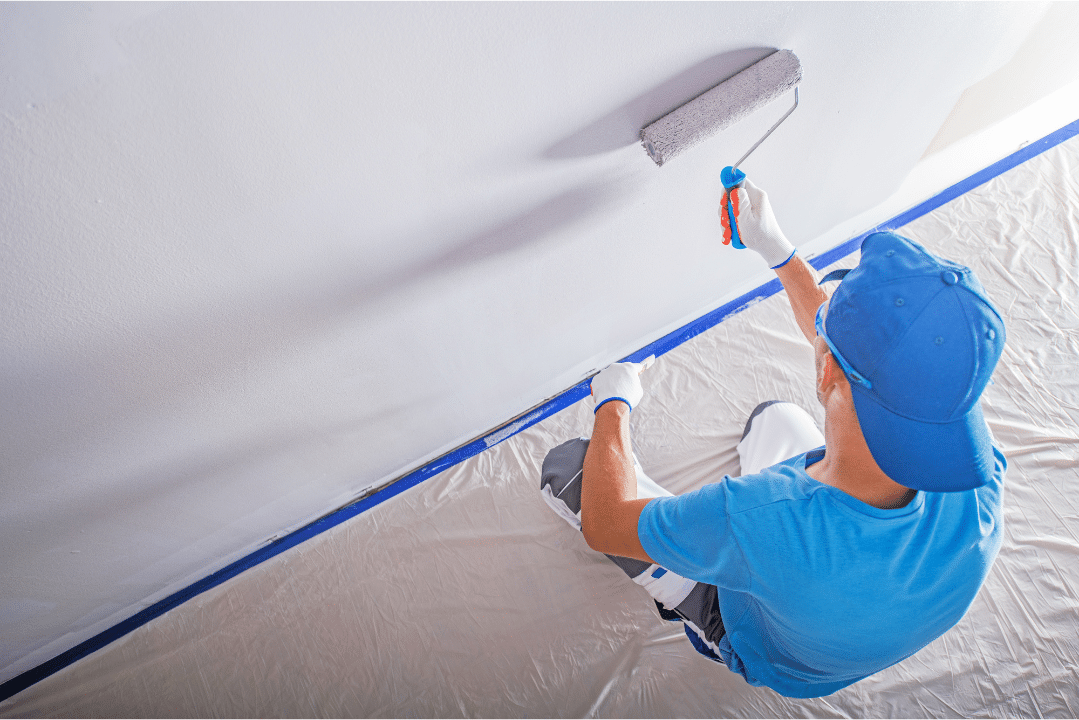
Hairline Cracks
Hairline cracks often appear within weeks or months.
They usually indicate adhesion failure caused by surface contamination or insufficient prep. Once they start, they spread quickly because the paint film has already lost integrity due to poor surface preparation.
Alligatoring or Pattern Cracking
This form of cracking signals total coating failure.
It commonly occurs when thick paint is applied over unstable or incompatible surfaces, such as latex applied over inadequately prepared oil-based paints.
Edge Cracking at Joints and Transitions
Joints and transitions move more than flat surfaces.
Without proper caulking, sanding, and priming, these areas crack first. This is a frequent poor surface preparation issue in trim and material transitions throughout Camas, WA homes.
Why Cracks Appear Faster Than Expected
Thermal Expansion and Contraction
Building materials move every day.
Paint films can only stretch so far. When prep is inadequate, flexibility is reduced, and cracks form quickly, especially on sun-exposed walls.
Moisture Cycling
Wet and dry cycles place repeated stress on paint systems.
Bathrooms, basements, exteriors, and unsealed masonry are high-risk areas when poor surface preparation allows moisture intrusion behind the coating.
Layer Compatibility Issues
Painting latex over oil without proper prep is a common mistake.
Without sanding and priming, incompatible layers separate. Cracks that form reflect failure beneath the surface, not just cosmetic wear.
How to Spot Poor Surface Preparation Before Cracks Form
Visual Warning Signs
Uneven sheen, flashing, bubbling edges, or repeating crack patterns often appear before full failure. These are early indicators of poor surface preparation.
Touch and Sound Tests
Paint that feels chalky, scratches easily, or sounds hollow when tapped indicates adhesion problems already underway.
Why DIY and Low-Bid Paint Jobs Crack Faster
Prep Is Time-Consuming and Often Cut First
Preparation can account for 50 to 70 percent of total labor.
Low bids protect margins by reducing prep. The job may look good initially, but early cracking follows, something I frequently see after failed DIY or low-cost projects in Camas, WA.
Lack of Substrate Knowledge
Drywall, wood, masonry, and metal all require different prep systems.
Treating them the same guarantees poor surface preparation and short paint life. Professionals test and adjust prep methods before painting begins.
The Professional Surface Preparation Process That Prevents Cracks
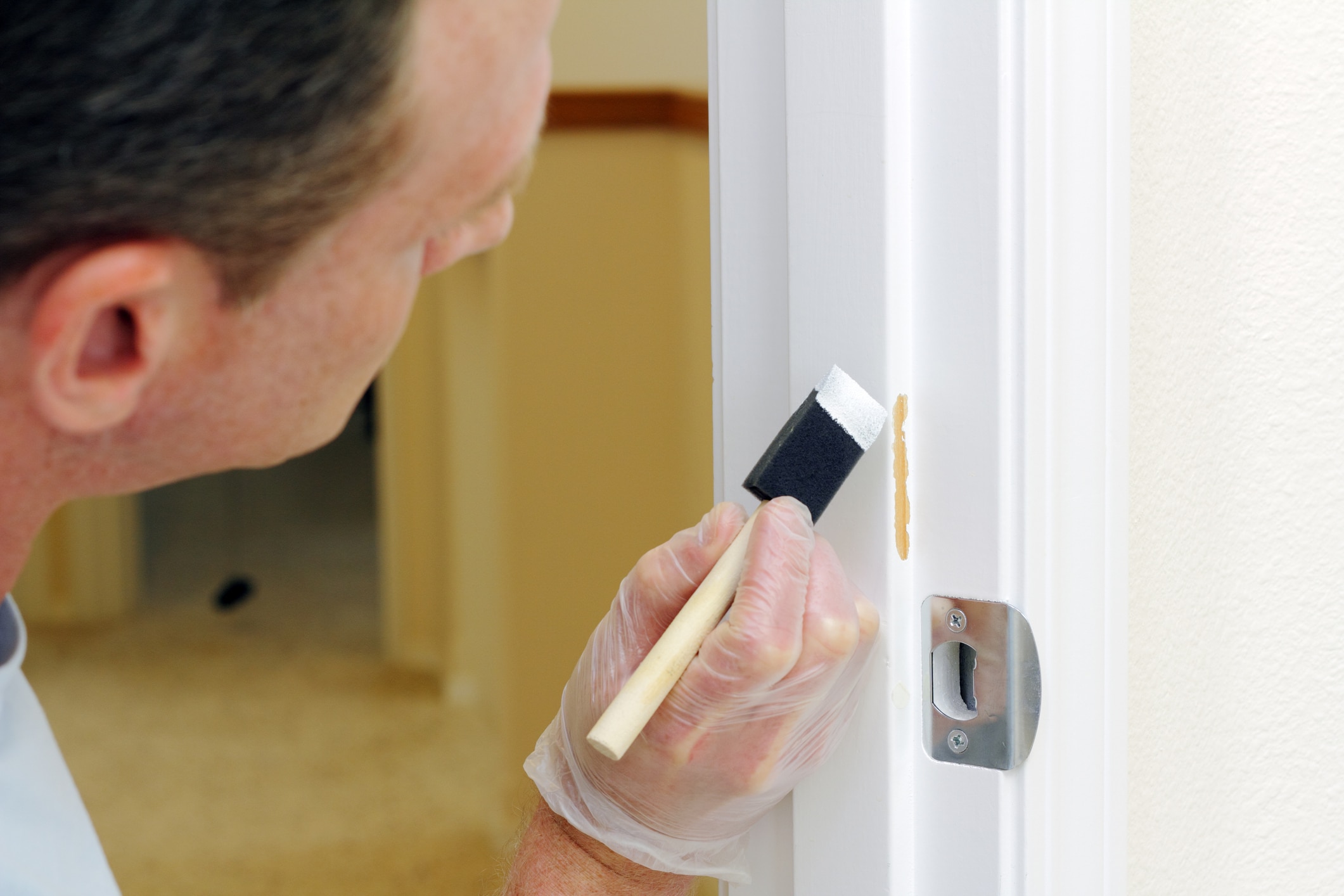
Surface Assessment and Testing
At Pivotal Painting, LLC, preparation starts with testing.
We check moisture levels, adhesion, and existing coating types, following best practices outlined in the Surface Preparation Standards.
Proper Cleaning and Decontamination
Surfaces are cleaned using detergents, degreasers, and mildewcides as needed.
Controlled pressure washing and chalk neutralization ensure the substrate is truly paint-ready, not just visually clean.
Repairs and Stabilization
Cracks are repaired based on their cause.
Wood rot is consolidated or replaced. Masonry is patched and allowed to cure fully. Cosmetic repairs alone only guarantee repeat failure caused by poor surface preparation.
Correct Priming Strategy
Primers are selected by substrate and exposure.
They seal repairs, regulate absorption, and create a uniform surface that allows paint to cure properly and resist cracking.
Can Cracked Paint Be Fixed Without Full Repainting?
When Spot Repairs Work
Spot repairs may succeed when failure is isolated and there is no moisture or movement. Proper feathering, priming, and curing are required.
When Full Repainting Is Necessary
Widespread cracking, multiple layers failing, or moisture issues require full system correction. Anything less is temporary.
How Long Paint Should Last With Proper Surface Preparation
Expected Lifespan by Surface Type
- Interior drywall can last 10 to 15 years.
- Exterior wood typically lasts 7 to 10 years.
- Masonry and concrete often exceed 15 years.
- Trim and doors last longest with proper prep and coating selection.
These lifespans assume poor surface preparation is avoided.
Cost Comparison: Proper Prep vs. Repainting Early
Proper prep costs more upfront.
Repeated repainting costs far more over time. Labor, disruption, surface repair, and material waste add up quickly. Preparation delivers the highest return on investment in any interior house painting project.
Cracks Are a Symptom, Not the Problem
Cracks do not happen randomly.
They reveal failure beneath the paint film. In nearly every case, the root cause is poor surface preparation.
Paint longevity depends on what happens before the first coat is applied. Investing in proper preparation protects your home, your budget, and the surfaces beneath the paint.
Great paint jobs are built, not brushed on.