You might be planning an interior commercial painting project and wondering how to save time and money. Many commercial building owners ask why surface preparation matters in commercial painting and whether it is really worth the effort.
The truth is simple. Skipping repairs before painting can cost you far more than you think. It can hurt your building’s look, your budget, and even your reputation.
Key Takeaways:
- Surface prep is the foundation of any lasting paint job.
- Skipping repairs can lead to peeling, cracking, and stains.
- Poor prep often means repainting sooner than planned.
- Bad paint jobs can impact tenant satisfaction and brand image.
- Investing in proper prep saves money over time.
Why Commercial Building Owners Ask This Question
As a commercial building owner, you manage many moving parts. You think about tenants, budgets, safety, and timelines. When it is time to paint, it may seem like a simple cosmetic update.
Paint looks easy. It goes on the wall. It dries. The space looks fresh.
But what you do not see is what makes the paint last.
Many owners ask if they can skip small repairs. Maybe there are minor cracks. Maybe there is some old peeling paint. Maybe there are small dents in the drywall. It can feel tempting to paint over them and move on.
This is where problems begin.
What Is Surface Preparation in Commercial Painting?
Surface preparation means getting the surface ready before paint touches it. It often includes:
- Cleaning dirt, dust, and grease
- Repairing cracks and holes
- Replacing damaged drywall
- Scraping off loose or peeling paint
- Sanding rough areas
- Caulking gaps
- Priming stained or patched spots
In short, it creates a smooth, clean, and stable surface.
Paint needs something solid to stick to. If the surface is weak, the paint will not hold.
What Happens When Surface Repairs Are Skipped?
Let’s break down what really happens when repairs are ignored.
1. Peeling and Flaking Paint
If loose paint is not scraped off, new paint sticks to unstable layers. That means the fresh coat is only as strong as the failing paint underneath it. When the old paint lifts, curls, or separates from the wall, the new paint lifts with it because it has nothing solid to grip.
This can happen in months, especially in high-traffic areas or places with moisture or temperature changes. What looked like a smooth, clean finish at first can quickly turn into peeling strips or flaking patches.
Now your walls look worse than before. Instead of a clean update, you are left with uneven surfaces and visible failure that may require scraping, sanding, and repainting all over again.
2. Cracks Show Through
Paint does not hide structural cracks. In fact, it often makes them stand out more because fresh paint creates a clean, uniform surface that draws attention to any line or split underneath.
If drywall seams are not repaired, straight lines can appear across walls and ceilings once the paint dries. If there are stress cracks caused by building movement or settling, they can reopen and even widen over time. Simply covering them with paint does not solve the root problem.
Tenants notice these details, especially in offices, lobbies, and conference rooms where lighting is bright. Visible cracks can make a space feel poorly maintained, even if the rest of the property is in good condition.
3. Stains Bleed Through
Water stains, smoke stains, and rust spots will come back if they are not sealed properly. These stains often come from leaks, plumbing issues, HVAC problems, or past fire damage. If the source is not fixed and the surface is not sealed with the right primer, the stain remains active beneath the paint.
A fresh coat of paint might hide them at first. The wall may look clean for a few weeks or even a few months. But standard paint is not designed to block deep stains.
Over time, yellow or brown marks push through the new paint. This is called bleed-through. It can create uneven discoloration that makes the wall look dirty or aged.
Now the space looks neglected, even though you just invested in repainting. Instead of solving the problem, the project becomes a temporary cover-up that may require additional repairs and repainting sooner than expected.
4. Uneven Texture and Poor Finish
If dents and holes are not filled, the final result looks uneven. Even small imperfections become obvious once a fresh coat of paint is applied. Light from windows or overhead fixtures will highlight every flaw, casting shadows that draw attention to patched areas that were never properly repaired.
Smooth paint reflects light evenly. Damaged surfaces do not. The result can look wavy, bumpy, or inconsistent, especially on large wall sections in open office spaces.
In a lobby or office space, this can hurt your building’s image. These areas often create the first impression for tenants, clients, and visitors. An uneven finish can make the property feel outdated or poorly maintained, even if the issue started as a few minor dents.
5. Shorter Paint Life
This is the biggest issue.
When prep is skipped, paint does not last as long because it never fully bonds to the surface underneath. Weak adhesion leads to early peeling, bubbling, and cracking. Instead of lasting 7 to 10 years, it may last only 2 to 4 years, sometimes even less in high-traffic or high-moisture areas.
That means repainting sooner than planned. It may also mean repeating the same surface repairs that were skipped the first time, which adds even more labor to the next project.
That means more labor, more disruption, and more money. Crews need to return, tenants are interrupted again, and your maintenance budget takes another hit. Over time, the cost of doing it twice far outweighs the cost of doing it right the first time.
How This Affects an Interior Commercial Painting Project
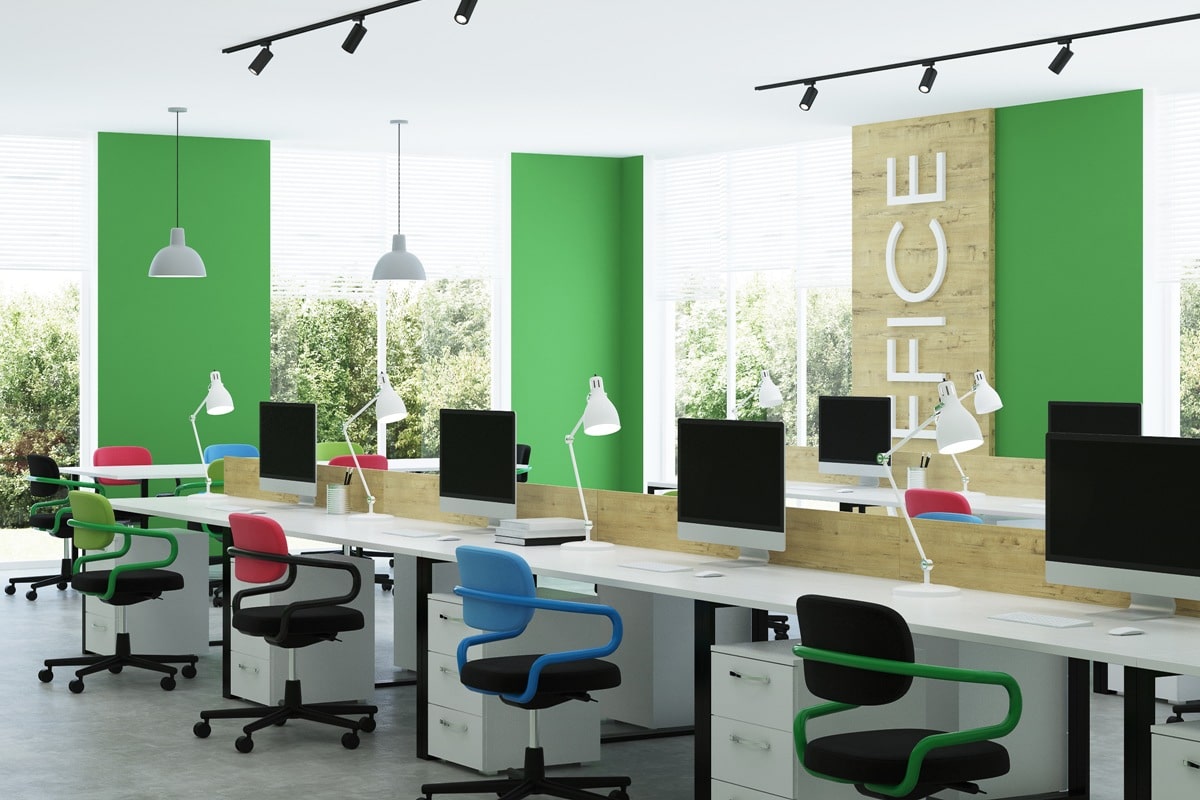
An interior commercial painting project often happens while tenants are present. That means timing matters. Disruption matters. Business operations are still running. Employees are working. Customers may be visiting. Every hour of interruption has a real cost.
If the job fails early because surface repairs were skipped, you may need to repaint while tenants are still in place. This creates noise, odors, and inconvenience. Crews may need to move furniture again, block off hallways, or restrict access to certain areas.
It can affect productivity. Employees may be distracted by sanding, patching, or repainting. Meetings may need to be relocated. Workflows may slow down.
It can strain tenant relationships. Tenants expect professional property management and long-lasting improvements. If they experience repeat disruptions for the same issue, it can lower satisfaction and trust.
Doing it right the first time avoids these issues. Proper surface preparation reduces the risk of early failure and helps ensure that tenants only deal with the inconvenience of painting once, not twice.
Why Surface Preparation Matters in Commercial Painting Long Term
When people ask why surface preparation matters in commercial painting, the answer is simple: it protects your investment.
Commercial properties are long-term assets. You think in years, not months.
Good surface prep helps:
- Paint bond correctly
- Surfaces resist moisture
- Walls stay smooth and clean
- Finishes last longer
It creates a strong base that supports everything that comes after it. Just like a building needs a solid foundation to stay stable, level, and secure over time, paint needs a properly prepared surface to perform the way it should. Without that foundation, even the highest-quality paint can fail early. With it, the finish looks better, lasts longer, and protects your property the way it was designed to.
Common Areas Where Prep Is Often Skipped
In commercial buildings, certain areas are more likely to be rushed. These spaces may be large, busy, or difficult to shut down, which makes it tempting to move quickly. But these are often the exact areas where proper surface preparation matters most.
High-Traffic Hallways
These walls get bumped by carts, furniture, and equipment every day. Small dents, scuffs, and gouges are common in these areas. Over time, layers of impact damage can build up.
If these dents and damaged areas are not properly filled, sanded, and smoothed, they show clearly after painting. Fresh paint can actually make the surface look worse by creating a clean background that highlights every imperfection. In long corridors with strong overhead lighting, even small flaws become easy to see.
Restrooms and Break Rooms
Moisture damage is common here due to sinks, plumbing lines, steam, and humidity. Walls in these areas may also be exposed to cleaning chemicals and frequent wiping.
If surfaces are not sealed and repaired correctly, peeling can happen fast. Moisture can seep into unsealed cracks or damaged drywall, weakening the bond between the paint and the wall. Without proper priming and repair, you may start to see bubbling or flaking within a short period of time.
Lobbies and Entryways
These are high-visibility areas where first impressions are formed. Tenants, clients, and visitors all pass through these spaces.
Poor prep here hurts your brand image because flaws are easier to spot in well-lit, open areas. Cracks, uneven patches, and peeling paint in an entryway can send the message that the building is not carefully maintained. Even if the rest of the property is in good shape, the front-facing areas shape perception.
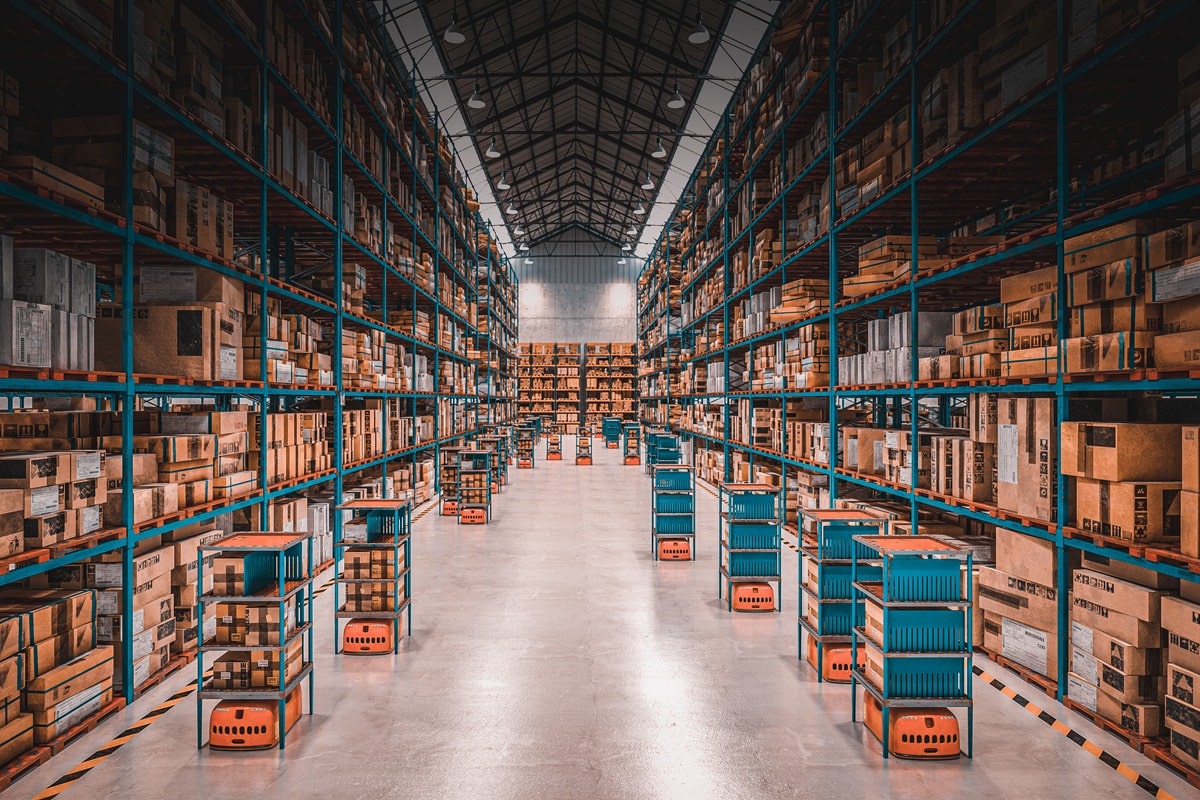
Warehouses and Industrial Spaces
Dust, grease, and residue are common in these environments, especially near machinery or loading docks. These contaminants create a barrier between the wall and the paint.
If surfaces are not cleaned fully and properly prepared, paint may not stick at all. It can separate, bubble, or peel in large sections. In industrial settings, skipped prep work often leads to widespread failure rather than small cosmetic issues.
Signs Your Previous Paint Job Skipped Repairs
If you are unsure whether proper prep was done in the past, look for these signs:
- Paint peeling in sheets
- Cracks reappearing quickly
- Bubbling or blistering paint
- Stains coming back
- Rough patches under smooth paint
These are red flags. They are clear warning signs that something was missed during the preparation phase. When you see these issues, it usually means the surface was not properly prepared to support a long-lasting finish.
What Proper Surface Preparation Looks Like
A professional commercial painting team should:
- Inspect all surfaces carefully.
- Identify damage, moisture issues, and loose paint.
- Repair and patch surfaces fully.
- Sand and smooth repaired areas.
- Prime where needed.
- Protect surrounding surfaces.
They should not rush through these steps. Surface preparation is not a side task or a quick add-on. It is a critical phase of the project that directly affects how the final result will look and how long it will last.
Prep work often takes as much time as painting itself. That is normal. That is how it should be. In many commercial projects, the majority of labor hours are spent on cleaning, repairing, sanding, and priming before a single finish coat is applied. When a contractor schedules enough time for prep, it is usually a sign that they are focused on quality, not just speed.
Questions to Ask Before Your Next Painting Project
If you want to avoid problems, ask your contractor:
- What repairs are included in your bid?
- Will you scrape and sand loose paint?
- How will you treat stains and water damage?
- What type of primer will you use?
- How do you ensure paint adhesion?
Clear answers matter. Vague or general responses can be a warning sign that surface preparation is being minimized or treated as an afterthought. You should know exactly what repairs, cleaning steps, sanding, and priming are included before the project begins.
If prep is not clearly outlined, it may not be fully included. And if it is not written into the scope of work, you may end up paying for change orders later or dealing with premature paint failure because critical steps were skipped.
The Bottom Line
Skipping surface repairs may seem like a small shortcut. But in commercial buildings, small shortcuts can lead to big problems.
Paint is more than color. It protects walls. It shapes first impressions. It supports your brand.
When surface repairs are skipped, you risk:
- Early paint failure
- Higher long-term costs
- Tenant dissatisfaction
- Damage to your building’s image
Now you can see why surface preparation matters in commercial painting. It is not just a step in the process. It is the foundation of the entire job.
If you want a paint job that lasts, looks sharp, and protects your property, proper prep is not optional. It is essential.
Ready to Protect Your Property the Right Way?
Your building deserves more than a quick coat of paint. It deserves a finish that lasts and reflects the quality of your management.
At Pivotal Painting, LLC, we take the time to do the job right from the start. That means careful inspection, detailed repairs, and thorough preparation before any paint goes on the wall.
If you are planning your next project and want results that last, call Pivotal Painting, LLC today at 360-230-7994. Let’s make sure your next paint job protects your investment and impresses everyone who walks through your doors.