Hiring professional cabinet painters should give you beautiful cabinets that last for years—not cabinets that start chipping, peeling, or scratching within months. If you’ve been wondering why painted cabinets peel, you’re not alone. Homeowners throughout Vancouver, WA, and Camas, WA often call for help after investing thousands of dollars in cabinet painting, only to discover the finish is already failing.
The frustrating part is that cabinet paint failure is usually preventable. In many cases, the problem isn’t the paint itself. It’s the preparation, products, and application methods used before the first coat ever went on.
If you’re dealing with peeling cabinets or you’re interviewing painters before your project begins, understanding what causes cabinet paint to fail can help you protect your investment.
Key Takeaways:
Why Painted Cabinets Peel More Often Than People Expect
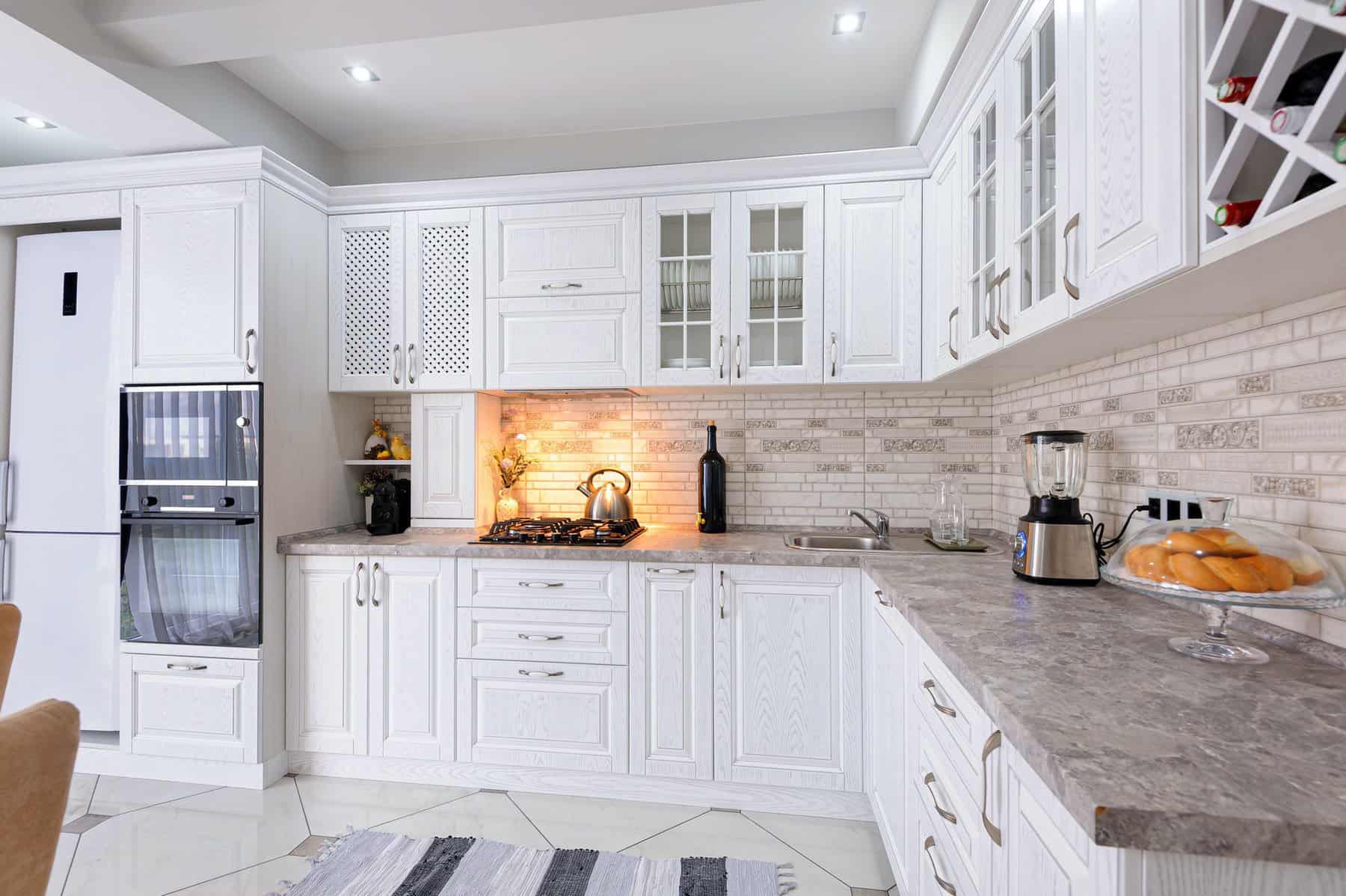
Kitchen cabinets are one of the hardest-working surfaces inside any home.
Unlike walls, cabinet doors are touched dozens of times every day. They collect grease, fingerprints, cooking oils, moisture, and cleaning chemicals. Every time a cabinet door opens or closes, the finish experiences friction.
Because cabinets receive this much abuse, they require a completely different painting process than walls, ceilings, or baseboards.
When shortcuts are taken, the paint often begins failing long before homeowners expect.
The #1 Cause: Poor Surface Preparation
If there’s one reason most cabinet paint jobs fail, it’s inadequate preparation.
Kitchen cabinets naturally build up layers of:
Many of these contaminants cannot simply be wiped away with soap and water.
If grease remains on the surface, primer cannot properly bond to the cabinet. The finish may look perfect initially, but months later it begins lifting around handles, edges, and corners.
Professional cabinet painters understand that preparation often takes more time than painting itself.
Sanding Matters More Than Most People Realize
Many homeowners assume sanding simply smooths the surface.
In reality, sanding creates microscopic scratches that give primer something to grip.
Without proper sanding:
Skipping sanding saves time—but dramatically increases the chances of failure.
Not Every Primer Is Made for Cabinets
One of the biggest mistakes occurs when contractors use leftover wall primer or inexpensive bonding products.
Cabinets need high-adhesion primers specifically designed for slick factory finishes, stained wood, laminate, or previously painted surfaces.
The correct primer acts as the foundation for every coat that follows.
A weak foundation usually means the entire finish eventually fails.
Using the Wrong Paint
Another common answer to why painted cabinets peel is simply using products that were never intended for cabinetry.
Interior wall paint is designed for drywall.
Cabinet coatings are designed for:
Professional cabinet finishes cure harder, resist scratches better, and maintain their appearance much longer.
Choosing cheaper paint may reduce the initial estimate, but it often increases long-term repair costs.
Moisture Is Tough on Kitchen Cabinets
Even well-painted cabinets must withstand changing conditions inside the kitchen.
Steam from cooking.
Dishwashers.
Coffee makers.
Humidity.
Water splashes near sinks.
If the coating system isn’t designed for these conditions—or if cabinet edges aren’t properly sealed—moisture can slowly penetrate beneath the paint film.
Eventually, peeling begins.
Cure Time Is Often Ignored
One of the most overlooked parts of cabinet painting happens after the final coat.
Paint may feel dry within hours.
That doesn’t mean it has fully cured.
Many cabinet coatings continue hardening for several weeks.
If doors are reinstalled too early or homeowners begin using the kitchen immediately, the finish may scratch, dent, or stick before reaching full hardness.
A quality cabinet painter explains cure times clearly and provides instructions for protecting the new finish during this period.
Why Cabinet Edges Chip First
Look closely at peeling cabinets and you’ll often notice damage starting around:
These locations receive constant impact.
Without adequate primer adhesion and durable coatings, these high-contact areas become the first places where paint begins separating from the surface.
Cheap Estimates Usually Mean Hidden Shortcuts
When comparing bids, it’s tempting to choose the lowest price.
But cabinet painting is labor-intensive.
A significantly lower estimate often means time is being saved somewhere.
Possible shortcuts include:
The finish may look beautiful on day one.
Its durability tells the real story months later.

Questions Every Homeowner Should Ask Before Hiring Professional Cabinet Painters
Hiring the right company begins with asking better questions.
Consider asking:
Professional cabinet painters should answer these questions confidently and explain why each step matters.
If the answers seem vague, that’s often a warning sign.
Can Peeling Cabinets Be Repaired?
Sometimes.
If only isolated areas have failed, spot repairs may be possible.
However, widespread peeling usually indicates the original coating never bonded correctly.
In those situations, repairing individual chips often provides only temporary results.
Many cabinets require stripping, sanding, priming, and refinishing correctly from the beginning.
Although this costs more upfront, it usually provides a finish that lasts much longer than repeated touch-ups.
Investing in Quality Saves Money
Cabinet painting is often chosen because it costs less than replacing cabinets.
That savings disappears quickly if the finish begins failing after only a year or two.
Quality workmanship may cost more initially, but homeowners often save money by avoiding repairs, repainting, and unnecessary frustration.
The best cabinet painting projects aren’t simply beautiful on completion day—they continue looking beautiful years later.
Final Thoughts
Understanding why painted cabinets peel helps homeowners make smarter decisions before hiring a contractor.
A durable cabinet finish depends on careful preparation, quality primers, professional-grade coatings, proper application, and adequate curing time. Skip any one of those steps, and even attractive cabinets can begin chipping or peeling far sooner than expected.
If you’re planning to update your kitchen or your existing cabinet finish is already failing, don’t settle for shortcuts. Ask detailed questions, compare processes instead of just prices, and choose experienced professional cabinet painters who focus on long-term durability rather than quick completion.
At Pivotal Painting, LLC, we believe homeowners deserve cabinet finishes that look exceptional and stand up to everyday life. If you’re ready to restore your kitchen with a finish built to last, contact Pivotal Painting, LLC today at 360-230-7994 to schedule your consultation and learn how our proven process helps protect your investment.