
Starting a cabinet painting project can feel exciting. You have got the color picked. You have cleared the weekend. But standing in the paint aisle, staring at two nearly identical labels, you hit a wall. Latex or acrylic? The answer matters more than the label suggests. Choosing between latex vs acrylic paint for cabinets now will shape what your kitchen looks and feels like for years. This post breaks down both options clearly so you can walk into the hardware store with confidence.
Cabinets take more abuse than almost any other surface in a home. They get touched dozens of times a day. Steam, grease, moisture, and cleaning products all take a toll. The paint covering them needs to handle all of it without cracking, yellowing, or peeling.
Key Takeaways:
- Both latex and acrylic paints are water-based, but they are not the same.
- Acrylic paint cures to a harder finish, making it more resistant to daily wear on cabinet surfaces.
- Latex paint works well on walls but can struggle with the demands of a kitchen cabinet surface.
- 100% acrylic paint resists yellowing better over time than latex.
- A cabinet painting project done with the wrong paint may need touch-ups within one to two years.
- Prep work matters as much as paint choice, because no paint bonds well to dirty or glossy surfaces.
- A professional painter can recommend the right product for your specific cabinets.
Latex and Acrylic Are Not the Same Thing
A lot of homeowners use these words like they mean the same thing. They do not.
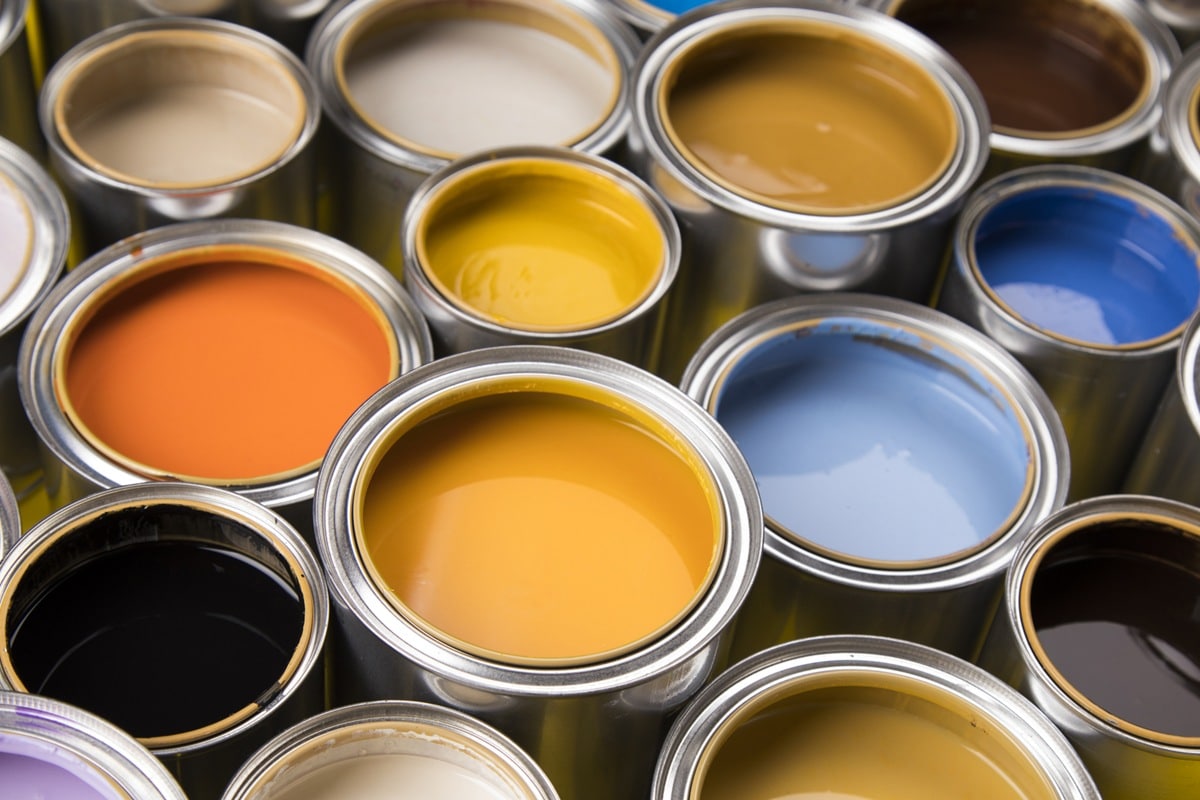
Both are water-based paints. That makes them easy to clean up and low in odor. But the formula inside each can is different.
Latex paint uses synthetic binders. It dries to a soft, flexible finish. That works well on walls, which expand and contract with temperature changes. Cabinet doors need a harder finish than that.
Acrylic paint contains a higher concentration of acrylic resin. The dried film is harder and more resistant to wear. When comparing latex vs acrylic paint for cabinets, that difference in film hardness is what shapes long-term results.
Some products are labeled “latex acrylic” or “acrylic latex.” These are blends. The more acrylic resin in the formula, the harder and more durable the finish will be.
How Each Paint Holds Up in a Kitchen
A kitchen is a tough place for any coating. Steam rises from pots on the stove. Oils and grease settle on cabinet faces near the range. Cleaning products, even mild ones, can break down finishes that are not hard enough to resist them.
Latex paint can struggle in that environment. It often stays slightly soft after it cures. In warm or humid conditions, a soft paint film can feel sticky. It picks up fingerprints more easily and scuffs when wiped down.
Acrylic paint cures to a harder film. It handles moisture, grease, and regular cleaning better. A cabinet painting project done with 100% acrylic paint will hold up better in a high-use kitchen than one done with straight latex.
A harder film is also easier to wipe clean without leaving marks or scratching the surface.
Latex vs Acrylic Paint for Cabinets: A Direct Comparison
Here is how the two paints stack up on the factors that matter most for cabinet surfaces.
- Hardness: Acrylic wins. Higher resin content gives it a tougher film once cured.
- Yellowing: Acrylic holds its color better over time. Latex, especially oil-modified latex, can yellow in areas with low light exposure.
- Adhesion: Both bond well to clean, prepared surfaces. Neither will stick to glossy or dirty cabinets without sanding and priming first.
- Dry time: Both dry quickly. Acrylic re-coats well and holds color evenly between applications.
- Blocking: Blocking happens when a dried paint film sticks to itself, like when a cabinet door presses against a frame and pulls paint off when opened. Latex is more prone to this in warm, humid conditions. Acrylic formulas designed for trim and cabinets are built to reduce blocking.
- Cleanup: Both clean up with soap and water. No meaningful difference here.
For a cabinet painting project where durability is the main goal, acrylic is the stronger choice in most situations.
When Latex Can Still Work
Latex is not a poor paint. It is used on millions of walls across North America every year for good reason. It spreads smoothly, levels well, and comes in nearly every color available.
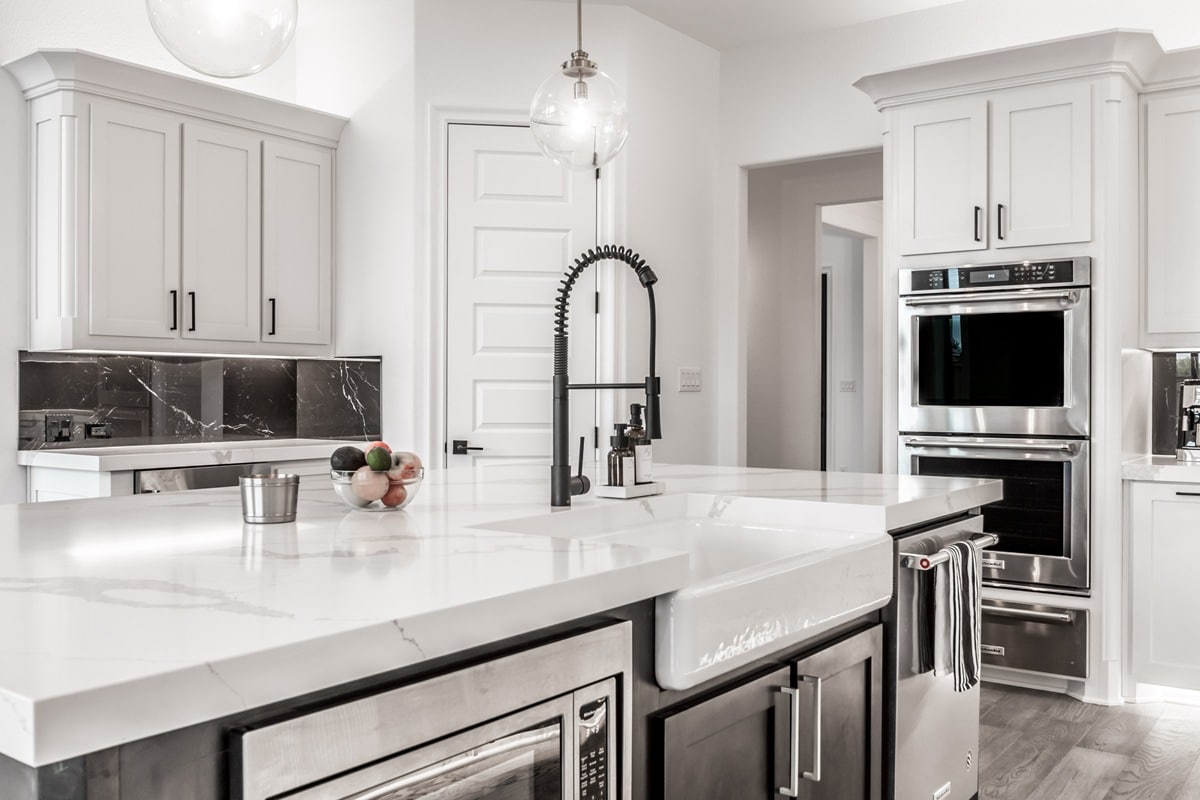
For cabinets in a low-traffic area, like a laundry room cabinet or a bathroom vanity with light daily use, latex can perform well when the prep work is solid. A good bonding primer and proper sanding make a real difference.
But in a busy kitchen where cabinet doors open and close dozens of times a day, the latex vs acrylic paint for cabinets question gets clearer. The harder finish wins.
Product quality also matters here. A high-quality latex paint will often outperform a cheap acrylic product. Always look for paints labeled for cabinet or trim use. These formulas are built for harder wear than standard wall paint, whether they list latex or acrylic first on the label.
The Real Cost of Choosing the Wrong Paint
Picking the wrong paint for a cabinet painting project is not just a cosmetic problem. It becomes a budget problem.
When standard latex is applied to kitchen cabinets and starts scuffing or peeling within a year, the options are limited. You can live with the damage or repaint. Either way, it costs more than expected.
Repainting cabinets takes real work. It means clearing the kitchen, sanding the old finish, priming, and applying new coats. According to Angi (formerly HomeAdvisor), a professional cabinet repaint can range from roughly $1,200 to $7,000 depending on the number of cabinets, their condition, and the finish selected.
Getting the paint choice right the first time is the smarter way to go.
Good Prep Is What Makes Paint Last
No paint will stick well to cabinets that have not been properly prepared, regardless of the latex vs acrylic paint for cabinets debate. Poor prep is the real reason most cabinet paint jobs fail early.
A solid prep process for any cabinet painting project includes these steps:
- Clean all surfaces with a degreaser to cut through grease and grime
- Lightly sand with 150-grit sandpaper to give the paint surface something to grip
- Apply a bonding primer designed for slick or previously painted surfaces
- Let each coat dry fully before applying the next
Rushing any one of these steps leads to early failure. The paint takes the blame, but the prep work is usually where things went wrong.
DIY or Hire a Professional?
That depends on how much time you have, how comfortable you are with the prep process, and how much the result matters to you.
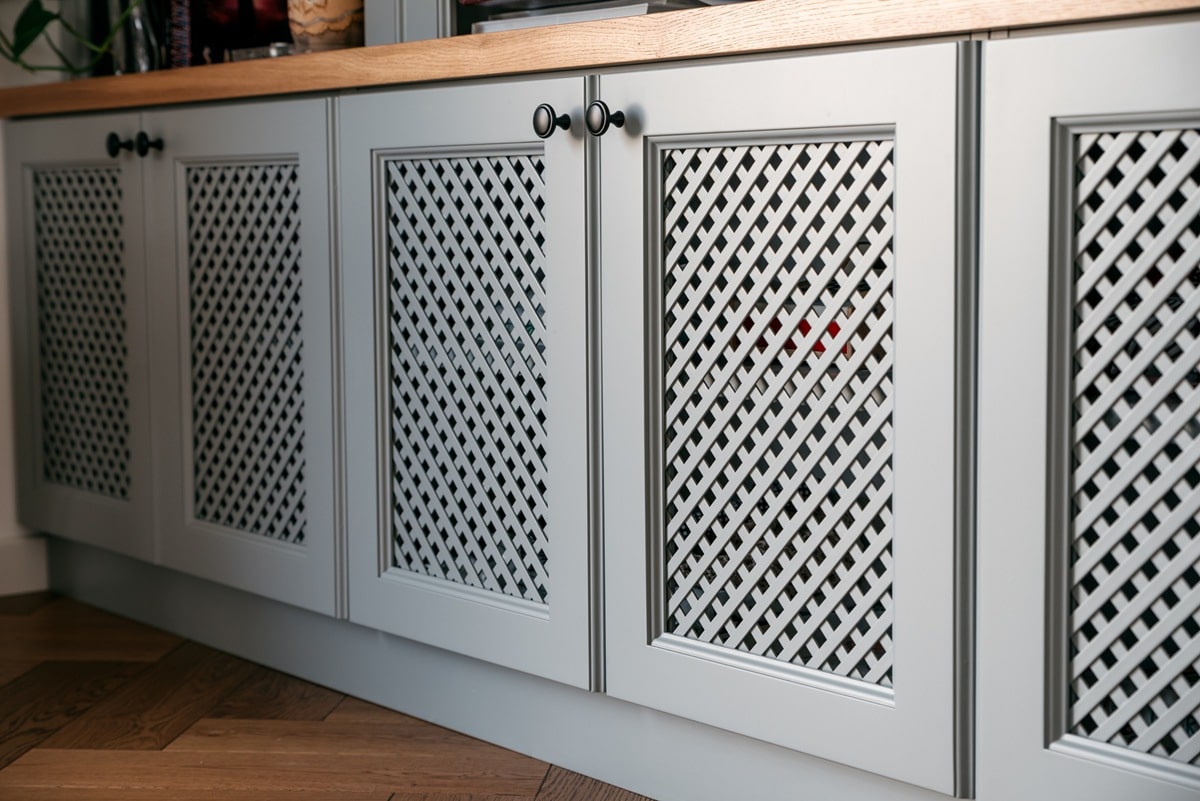
A DIY cabinet painting project can work well if you are willing to take the time to prep, prime, and apply multiple thin coats without cutting corners. Rushing the process usually shortens the life of the finish.
A professional painter brings hands-on experience with product selection, surface prep, and application. They can also give you a straight answer on which specific latex vs acrylic paint for cabinets products will perform best for your kitchen.
A well-done professional cabinet paint job can last eight to ten years with normal care. A poorly done job may need attention in one to two years.
Ready to Stop Guessing and Get This Done?
You should not have to figure out the latex vs acrylic paint for cabinets question on your own. And a cabinet painting project this size deserves more than a coin flip at the hardware store.
Pivotal Painting, LLC works with homeowners who want cabinets that look sharp and hold up over time. We use products built for real kitchens, and we take prep work seriously at every step.
Call us today at 360-230-7994. We will walk through your cabinets with you, give you honest answers, and show you exactly what it takes to get the job done right the first time.