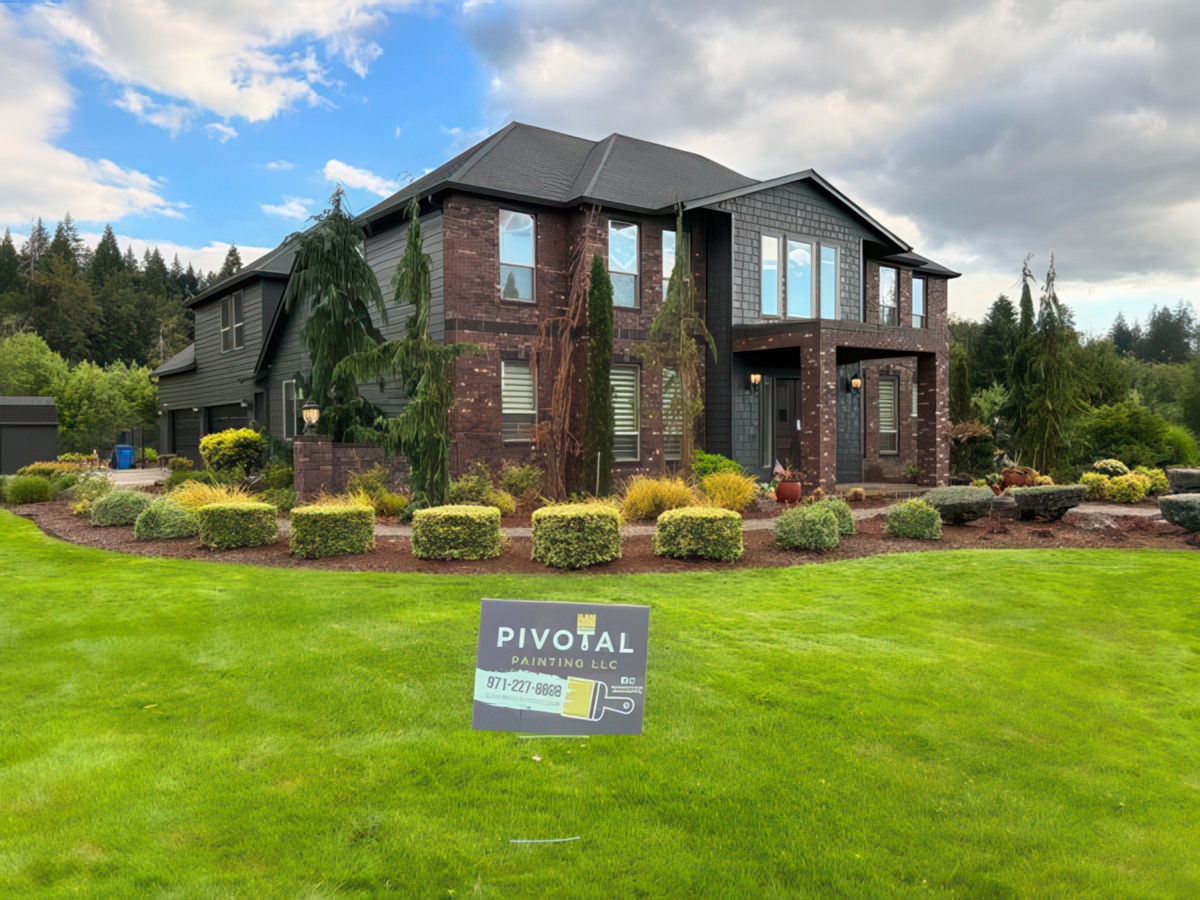
Inside a brand-new house, the smart paint move is often to wait. Outside, waiting too long can cost you, which is why painting a new construction home runs on two different clocks. Your walls need time to settle. Some siding needs a finish coat within months. Knowing which clock applies to each surface can save you from paying for the same job twice. That timing question sits at the center of new construction painting. In fact, it is the first thing I walk through with new homeowners in Clark County. As the owner of Pivotal Painting, LLC, I plan every newer home around it. It also shapes the exterior house painting services my team provides.
What New Construction Painting Usually Covers
Every builder writes its own paint spec. Specs can range from one coat to two, and from basic product lines to premium ones. You cannot tell which one you got just by looking at a fresh wall. So the first step is simple. Ask your builder, in writing, for the paint schedule for your home. Here is what that list should include.
| Ask your builder for | Why it matters |
|---|---|
| Paint brand and product name | Lets you buy matching touch-up paint and judge quality |
| Sheen on walls, trim, and siding | Flat hides flaws but is harder to wash |
| Number of coats | Changes coverage and how long the finish holds up |
| Color names and codes | Prevents patchy touch-ups from close but wrong colors |
| Siding type and install date | Tells you if a finish coat deadline applies |
Once you have it, keep this list with your closing papers. It turns every future touch-up into a quick, exact match instead of a guess at the paint store.
Two Clocks: Inside Walls and Outside Surfaces
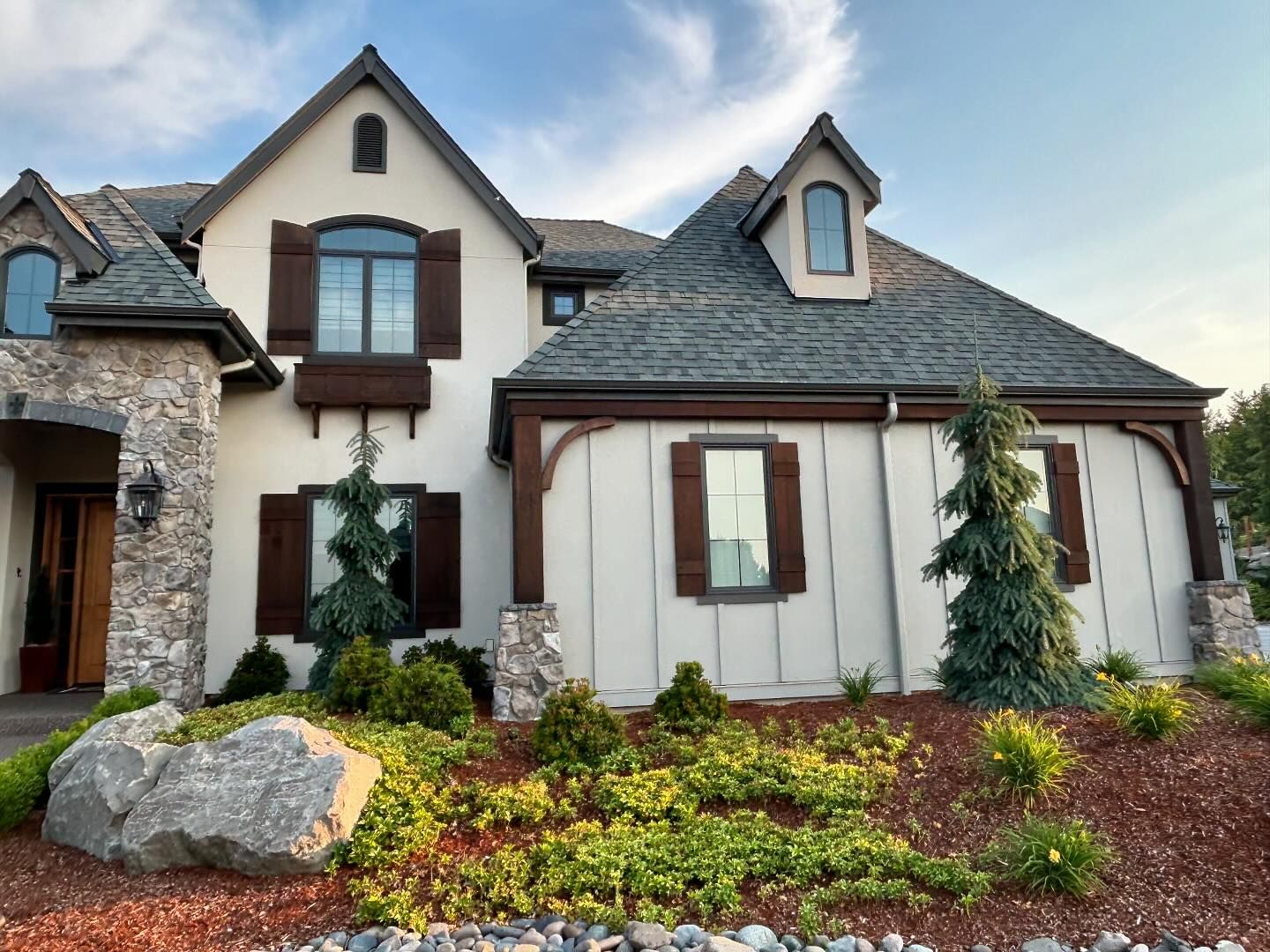
A new home keeps drying out after the crew leaves. Lumber shrinks as it loses moisture. That movement is normal, but it shows up on your walls. Small nail pops and hairline cracks often appear during the first year. Many large builders plan for this. Pulte Homes, for example, offers a one-time drywall repair, usually at the 11-month visit. Repainting your interior before that visit can mean patching and painting the same walls again.
The outside clock is the one that is easier to overlook. Factory primer is not a finish coat. James Hardie requires a topcoat on its primed siding within 180 days of installation. It also says not to paint the siding while it is wet. Masonry runs on its own timeline. Sherwin-Williams explains that fresh cement products start at a pH of 13 to 14. After about 30 days, that number drops near 9. Paint that goes on too early can lose color and break down.
| Surface | When to paint | Why |
|---|---|---|
| Interior drywall | Near the one-year mark | Lets settling cracks and nail pops show first |
| Factory-primed fiber cement siding | Within 180 days of install | Primer alone is not a finish coat |
| New stucco, mortar, or concrete | After about 30 days | High alkalinity can damage fresh paint |
| Prefinished siding | Follow the maker’s care notes | Color is applied at the factory |
When a Repaint Can Wait
Not every new home needs paint right away. If your siding came prefinished, and your builder used two coats of a quality product inside, the honest answer may be to hold off. Sometimes the right advice is to spend nothing yet. In that case, I suggest a simple check near your one-year mark. By then, settling cracks have had time to show, and you know which rooms take the most wear.
On the other hand, some homes need action sooner. Primed siding with a deadline is the clearest example. Bare wood trim and fresh masonry also need a plan. A short walkthrough tells you which group your home falls into, so you spend money only where it protects something.
Why Timing Matters Across Clark County
You just made one of the largest purchases of your life. It is fair to wonder whether a crack is a defect, or whether a paint choice could affect a warranty. A brand-new home should not leave you guessing. That is why clear timelines matter more than any single paint brand.
At the same time, Clark County keeps building. U.S. Census Bureau data shows the county authorized 3,594 new housing units in 2024. That means thousands of local owners face these same questions every year. We see it in newer neighborhoods across Ridgefield, Battle Ground, Camas, and Vancouver. Our wet months also shrink the outdoor painting window, since siding has to be dry before paint goes on. A 180-day deadline that falls in winter can get tight fast.
What New Construction Painting Costs in Our Area
Price is often the first question. So here are our published numbers. Our exterior pricing is based on home size. The U.S. Census Bureau reports the median new single-family home completed in 2024 was 2,146 square feet. That lands close to the low end of our medium home range.
| Home size | Square feet | Exterior price range |
|---|---|---|
| Small home | 1,000 to 1,600 | $3,300 to $4,500 |
| Medium home | 2,200 to 2,800 | $5,500 to $8,500 |
| Large three-story home | 3,000 and up | $9,000 to $16,000 |
These are averages. Your exact price comes after an in-person look at your home, because finish choices and repairs change the number. A newer home may need fewer wood repairs than an older one. Still, caulk gaps and builder touch-up marks take real prep time.
How We Handle Painting a New Construction Home
I started Pivotal Painting, LLC in January 2019. Since then, my team has completed more than 400 projects and used more than 3,000 gallons of paint. We have also earned 60-plus five-star reviews. We are licensed and insured, and we are members of the Painting Contractors Association. Those numbers matter less than the process behind them. Here is how a new home project works with us:
- 1We walk your home and note the siding type, install dates, and any masonry.
- 2We review the builder’s paint schedule so colors and sheens match.
- 3We set a timeline around your deadlines, like the 180-day siding window.
- 4We give you a written, itemized estimate before any work starts.
If the outside is first on your list, our exterior house painting services cover power washing, caulking, prep, and the finish coats. You get one plan for the whole house, not a pile of separate decisions.
Mistakes That Shorten a New Paint Job
A few missteps come up again and again on newer homes. Each one can turn a single paint job into two.