
Choosing oil-based paints can still be a smart, performance-driven decision, particularly for high-traffic surfaces, trim, and cabinets. But as someone who has spent decades applying finishes professionally, I can tell you these coatings come with hidden risks—long drying times, strong odors, environmental considerations, and maintenance challenges. Oil-based paints excel in areas where durability, adhesion, and a smooth finish matter most, yet they are no longer the default choice for every project. Understanding both the benefits and the potential drawbacks upfront is critical before committing to oil-based paint for your home or commercial property in Vancouver, WA.
Key Takeaways
-
Oil-based paint delivers exceptional durability and a smooth, professional finish.
-
Best suited for doors, trim, cabinets, metal, and other high-wear areas.
-
Drying and curing times are significantly longer than water-based paints.
-
VOC emissions and strong odors require careful ventilation indoors.
-
Regulatory restrictions affect product selection and availability.
-
Improper application can result in yellowing, cracking, and costly rework.
What Is Oil-Based Paint and How Does It Work?
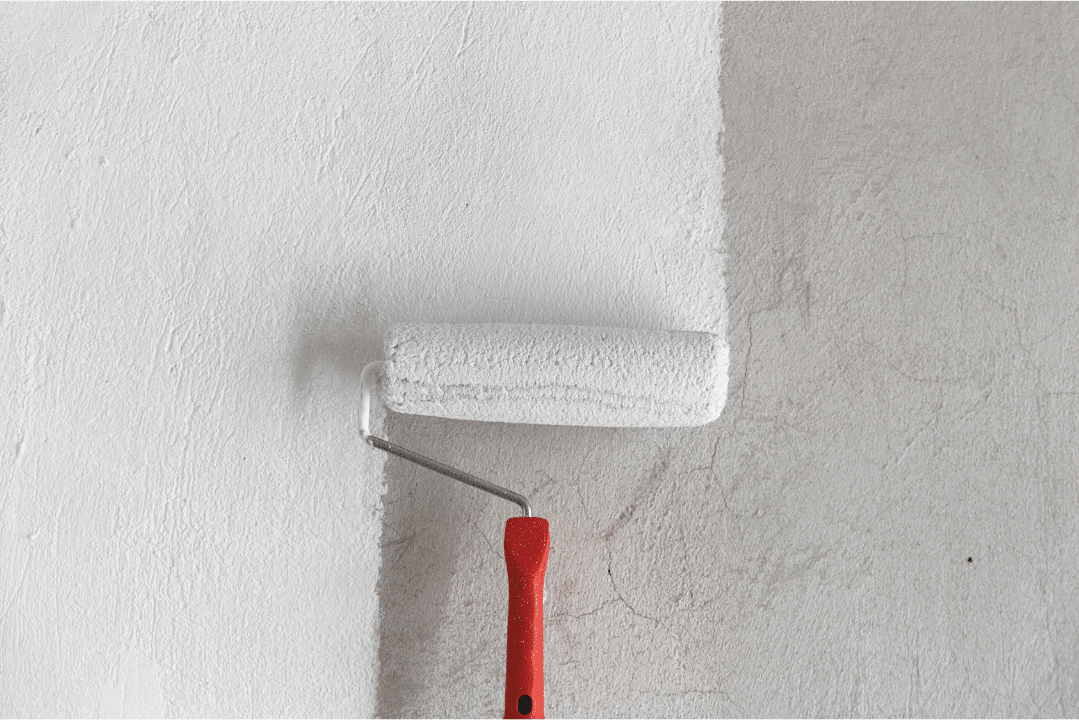
Core Ingredients and Paint Chemistry
At its core, oil-based paints consist of alkyd or natural oil binders suspended in a solvent carrier. Pigments provide color and opacity, while the oil cures through oxidation, forming a hard, durable coating over time.
Unlike latex, which dries primarily through water evaporation, oil-based coatings chemically react with oxygen, which gives them their renowned hardness and smooth finish. This chemistry is what allows oil-based interior paint to resist wear on doors, trim, and cabinets long after application.
How Oil-Based Paint Cures Differently Than Latex Paint
Curing for oil-based paints is a chemical process rather than simple drying. This longer cure time results in a surface that is significantly harder and more resistant to dents, scratches, and moisture intrusion. However, it also means that full cure can take days, even weeks, while the paint feels dry to the touch within hours. For homeowners and property managers in Vancouver, WA, this distinction is essential when scheduling interior painting projects.
Why People Still Choose Oil-Based Paint Today
Traditional Performance Advantages
Despite the rise of waterborne alternatives, oil-based paints remain a go-to for surfaces that require long-term wear resistance. The natural self-leveling properties create a smooth, enamel-like finish, particularly desirable on trim, doors, and stair rails. Strong adhesion to challenging substrates such as bare wood, previously painted oil-based surfaces, or metal makes it a dependable choice when other coatings may peel or fail.
Common Scenarios Where Oil-Based Paint Is Considered
Property owners often choose oil-based coatings in high-traffic areas, commercial doors and trim, older or historic properties, and metal or rust-prone surfaces. In these scenarios, the combination of durability, adhesion, and smooth finish outweighs the downsides of slower drying and higher VOC content.
The 5 Smart Benefits of Choosing Oil-Based Paint
1. Superior Durability in High-Wear Areas
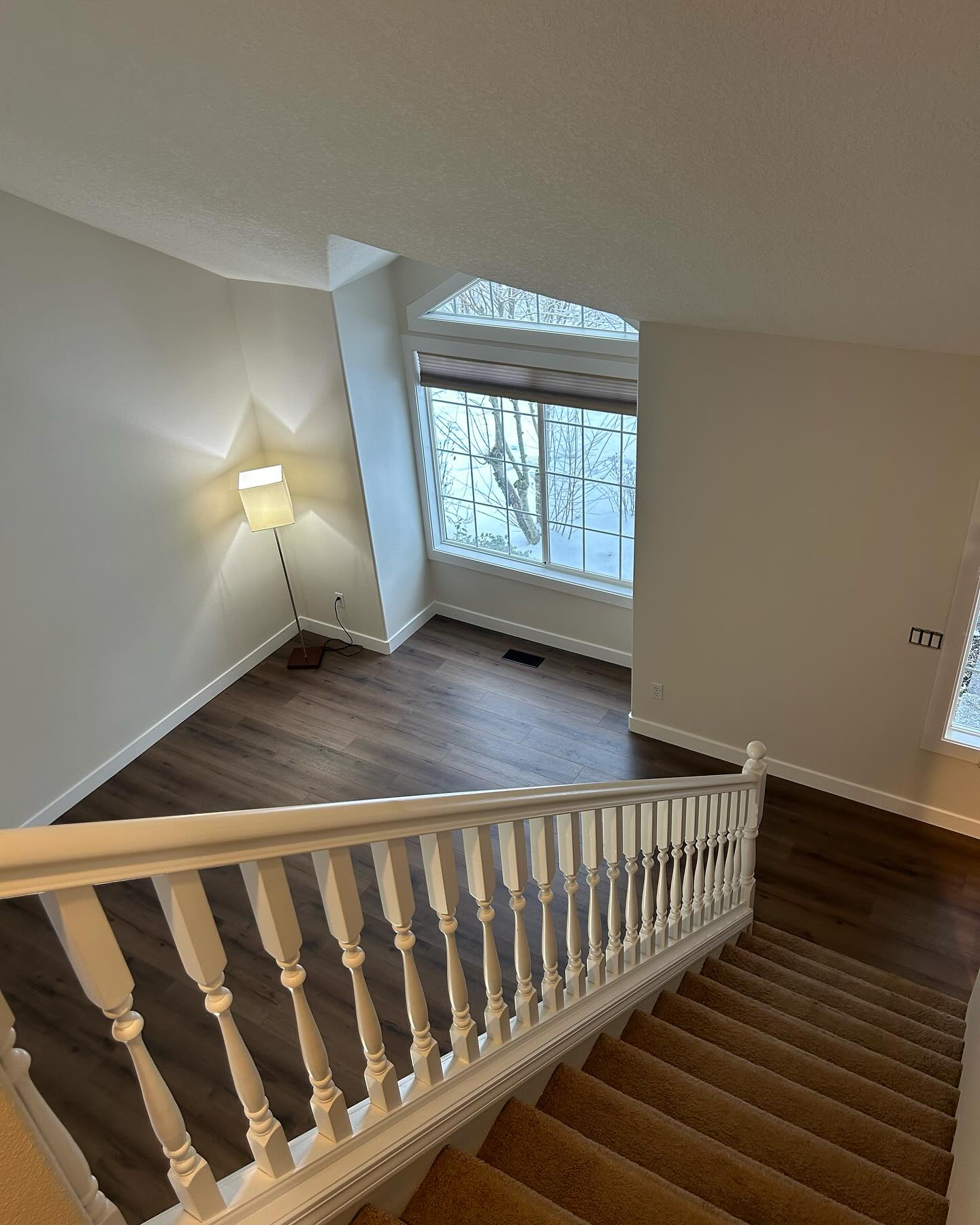
One of the most compelling reasons to select oil-based paints is their ability to resist scuffs, impacts, and abrasion. For frequently touched surfaces like entry doors, stair rails, and cabinets, oil-based coatings reduce the frequency of repainting and maintain a clean, professional appearance over time.
In Vancouver, WA, high-traffic areas benefit greatly from this longevity, which offsets the longer drying times.
2. Smooth, Professional-Grade Finish
Oil-based paints naturally level out brush and roller marks, producing a finish that is hard to replicate with latex paints. This is especially valuable for fine trim, molding, and cabinetry. Properly applied, the surface has a subtle, factory-like sheen that enhances the overall appearance of interiors. For anyone concerned about cabinet painting red flags, using an oil-based coating can prevent issues like streaking or uneven finish.
3. Excellent Adhesion to Multiple Surfaces
Whether you are painting bare wood, metal, or previously coated oil surfaces, oil-based paints offer strong adhesion. This reduces peeling risks and creates a longer-lasting finish. For areas that undergo frequent contact or stress, adhesion is just as important as durability.
4. Strong Resistance to Moisture and Stains
Compared to many latex paints, oil-based coatings provide better protection against water intrusion and staining. This makes them suitable for semi-exposed interior surfaces like kitchen trim, bathroom doors, and stair railings. The improved stain-blocking ability also ensures colors remain true longer and requires fewer maintenance touch-ups.
5. Reliable Performance in Tough Conditions
Oil-based paints can tolerate temperature variations during application and curing more effectively than water-based alternatives. In industrial or commercial environments, or even in Vancouver’s varying seasonal conditions, this consistent performance ensures a durable, attractive finish.
The Hidden Risks of Oil-Based Paint Many People Overlook
1. Long Drying and Recoat Times
Extended drying and curing times increase labor costs and project timelines. Surfaces are vulnerable to dust and debris during the curing phase, which can compromise the finish. Planning for these extended periods is crucial for both residential and commercial projects.
2. High VOC Levels and Strong Odors
Oil-based paints emit higher VOC levels than water-based options. For interior projects, proper ventilation is critical. This is not only a comfort issue but also a health consideration. For guidance on safety standards, refer to EPA standards for paints, coatings, and other solvents.
3. Regulatory and Environmental Limitations
Many regions limit or regulate the sale of traditional oil-based formulations due to VOC emissions. This reduces product availability and sometimes limits the selection of colors or finishes.
4. Yellowing and Color Stability Issues
Over time, oxidation can cause yellowing, particularly on white or light colors. Surfaces not exposed to UV light may show accelerated discoloration, impacting aesthetics.
5. Cleanup, Disposal, and Safety Challenges
Cleaning oil-based coatings requires mineral spirits or paint thinner rather than water, which increases both time and cost. Improper disposal can create environmental hazards, and fire risks are higher due to the flammable nature of solvents.
Oil-Based Paint vs Latex Paint: What Matters Most to Property Owners
Durability vs Flexibility
Oil-based paints are harder and more resistant to impacts, while latex paints offer better flexibility and resistance to cracking as substrates expand and contract. Understanding these differences is critical for long-term satisfaction.
Application and Maintenance Differences
Prep requirements are more stringent for oil-based coatings, and recoating latex over oil surfaces requires sanding and priming. Long-term maintenance is often more predictable with oil-based paints, but it comes with upfront time and labor investment.
Cost Over the Life of the Paint System
While initial costs for oil-based paints and labor are higher, the long-term value in durability, reduced maintenance, and finish quality can justify the investment—especially in high-traffic or specialized areas.
When Oil-Based Paint Is the Right Choice
Oil-based paints remain ideal for high-traffic residential and commercial areas, older homes, and industrial or metal applications. Entry doors, stair rails, and shared facilities benefit from their durability. Historic properties often require oil-based coatings for compatibility and preservation of existing finishes.
Metal surfaces and mechanical equipment also demand the corrosion resistance and toughness that oil-based paint provides. In Vancouver, WA, projects that demand performance and longevity frequently rely on oil-based interior paint to achieve these results.
When Oil-Based Paint Is the Wrong Choice
Large interior wall areas, poorly ventilated spaces, or fast-turn projects often fare better with modern water-based coatings. Odor retention, slower return to service, and labor costs make traditional oils less practical in these scenarios, especially in occupied homes or commercial environments where speed and indoor air quality are priorities.
Professional Application vs DIY: Why It Matters With Oil-Based Paint
Proper application is crucial. Surface prep involves deglossing, sanding, and controlling moisture and temperature. Application technique must prevent sagging, runs, and uneven finish.
Safety and compliance are non-negotiable: PPE, solvent handling, ventilation, and adherence to EPA standards for paints, coatings, and other solvents are critical for safe, high-quality results. Hiring professionals like Pivotal Painting, LLC in Vancouver, WA ensures these risks are managed efficiently.
Modern Alternatives That Compete With Oil-Based Paint
Waterborne alkyd paints offer an oil-like finish with easy cleanup and lower VOC levels, while high-performance acrylic enamels provide faster drying, improved flexibility, and excellent durability. For residential interiors, occupied buildings, or environmentally sensitive projects, these alternatives can achieve results similar to oil-based paints without the associated complications.
Making an Informed Decision About Oil-Based Paint
The choice between oil-based paints and modern alternatives should be project-specific. Durability, adhesion, and smooth finish make oil-based paint an excellent choice for doors, trim, cabinets, and high-wear surfaces. However, slower drying, VOC concerns, and maintenance requirements can make it less practical for walls or fast-turn projects. Consulting professionals ensures that every factor—from surface type to environmental conditions—is accounted for before committing.